Guide
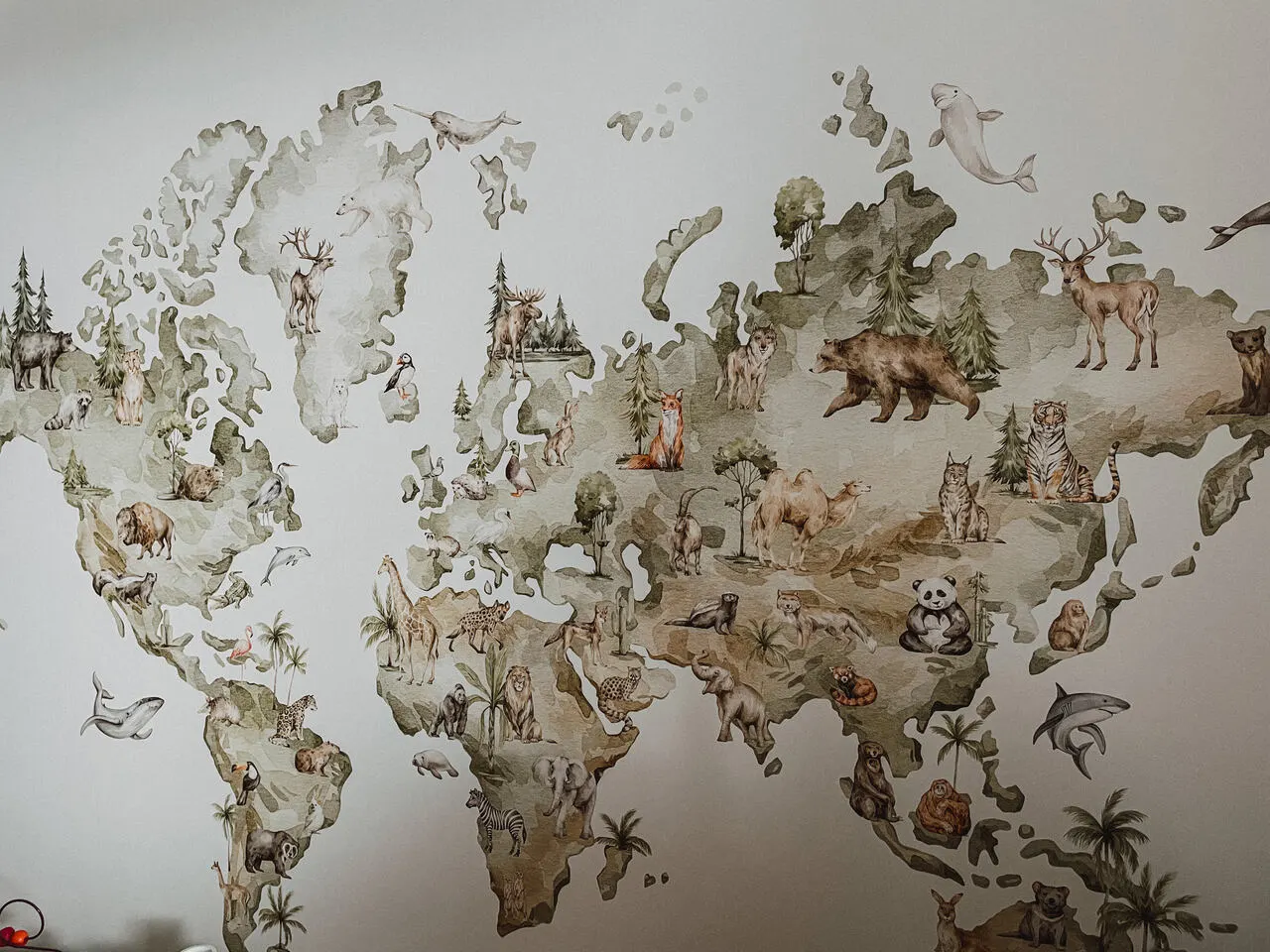
Interior decorating as a business attracts more and more people looking for an idea for financial independence. The interior finishing market is steadily recovering, and clients are no longer satisfied with the standard offer from a building supply store. They want a space that says something about themselves, that sets their venue apart or makes guests stop at a wall to take a photo.
Entering this industry requires no designer’s diploma and no years of practice in a renovation company. What you need is the ability to listen to clients, basic operation of graphics software and a tool that lets you bring their visions to life. Wall printing offers exactly that, because it combines creativity with technology and lets you work solo from day one.
Why is interior decoration an industry with a future?
People spend more on finishing their homes than ever before. The average renovation budget grows year after year, and an ever larger part of that money goes toward decorative elements, not only functional ones. Homeowners want to live in places that look good on social media and build their image.
Companies are changing their approach to space as well. An office, a restaurant or a hotel is more than a place to work or to sleep. It is a point of contact with the brand, one that is meant to make an impression. Owners of service venues invest in decor, because they know that a unique interior builds a company’s image and sets it apart from the competition.
This trend works in favor of anyone entering the decorating market with a professional offer.
What sets decorating services based on wall printing apart?
A traditional interior decorator advises, designs and coordinates contractor crews. This is a model that requires a network of contacts, experience and often considerable starting capital. Printing on a wall reverses this pattern, because you give the client a finished result, not just a design on paper.
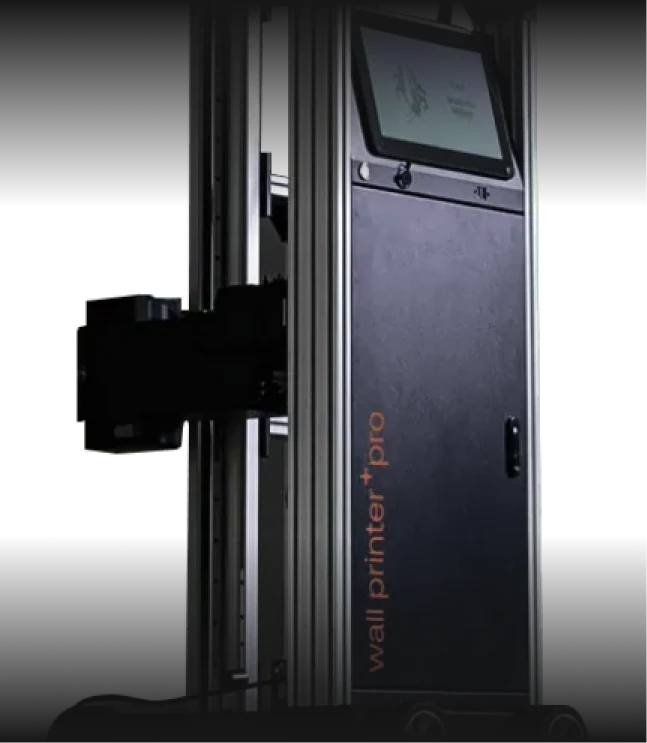
You arrive with a wall printer, set it up on site and carry out the print. Printing one square meter takes about 40 to 50 minutes at the highest quality. The client does not have to look for a painter, wait for an appointment or worry about differences between the design and the execution. You control the entire process from the conversation to the handover.
Such a model means higher margins, because you do not share the profit with subcontractors. You work on your own and focus on creating decorations that make an impression.
Who pays for personalized decorations?
Clients fall into two main groups, each with different needs.
The private segment is parents furnishing children’s rooms, couples personalizing a shared apartment and owners of short-term rental apartments. They look for something unique that they will not find in a wallpaper store.
The business segment generates larger projects. A restaurant ordering a mural across an entire wall, an office decorating its reception with a company motif, a hotel renovating its rooms.
Both segments grow at the same time, so you can choose which one you want to focus on, or serve both.
Why the one-person model keeps more in your pocket
Wall printing is a high-margin service, because you keep the full value of every job instead of splitting it with subcontractors. A single project on an average accent wall is only a few hours of work, so even a handful of jobs a week builds a serious income.
The one-person model works well, because you do not have to employ staff. It is enough to register your own business, buy the equipment and get started. Jobs take place at the client’s location, and fixed costs come down to insurance and fuel. The fewer fixed obligations you carry, the larger the share of each job that stays with you.
Where to start your own decorating services?
The first step is acquiring the tool and mastering its operation. A wall printer with full training lets you take on jobs within the first weeks. You do not have to learn for years, because the technology is intuitive, and as a member of the wall printers⁺ community you have access to technical support that responds within minutes.
The second step is a portfolio. Three to five first projects in different styles, even at reduced prices, give you material to show the next clients. Photos of finished projects work better than any advertisement, because they show a concrete result instead of promises.
The third step is choosing channels for acquiring jobs:
Cooperation with interior architects who recommend contractors to their clients Partnerships with renovation companies looking for additional services to add to their offer Profiles on social media with a gallery of projects Your own website with a portfolio and a contact form A Google business listing with reviews that captures local inquiries A presence at trade fairs and industry events Each of these channels requires a different investment of time, but they can all work in parallel.
Summary
Interior decorating as a business is a real path for anyone seeking financial independence and work that gives visible results. Competition is still small, and wall printing technology lowers the entry threshold to a minimum.
FAQ – frequently asked questions
Does this business require a field-specific education?
No. The basic skill is talking with the client and operating graphics software. You will master the technical aspects of wall printing during a one-day training.
How much does it cost to enter this business?
The main expense is buying a wall printer with its equipment. You do not need premises, employees or expensive software. The mobile model lets you operate from home and carry out jobs directly at clients’ locations.
How long does it take to win the first clients?
With active presence on social media and local contacts, the first jobs appear within two to four weeks. The key is a portfolio, even if at the start you build it on projects for friends or at reduced rates.
Can I combine wall printing with another job?
Yes. A flexible schedule lets you carry out jobs in the evenings and on weekends. Many operators start it as an additional source of income, and only later move to full time as the number of jobs grows.
How do I deal with competition from traditional decorators?
Traditional decorators offer designs and coordination, while you deliver a finished result within a few hours. It is a different approach, one that appeals to clients who value speed and certainty of result. You can also work with decorators as their subcontractor.
Not sure if this business is for you? Want to know the details or get started right away?
Discover the collaboration opportunities available to you and learn how to get started—even if you lack capital, a business of your own, experience, or prior knowledge. We will teach you everything.
See more
Blog
Explore our resources
Have a look through our knowledge base. We’ve put together articles, videos and answers to the questions people ask most before getting into wall printing.
Our process
Discover our collaboration process
Take the first step and we’ll do the rest
Send the form and we’ll email you our price list straight away, with all the packages and what’s included. One of our advisers will be in touch within one working day. No hard sell, just answers to your questions.

Your data is safe
Step 1: Choose your location
Step 2: Fill out the form